Carpet Cleaning Greeley CO for Homes With Kids and Pets
@jaidendzva112
November 25, 2026 · 15 min read
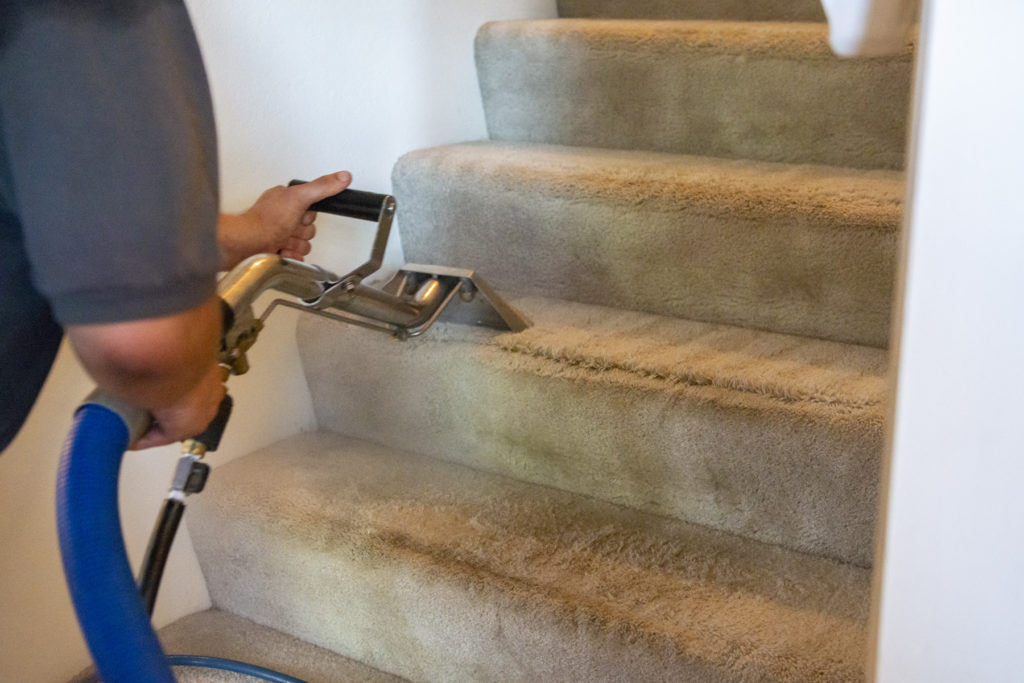
Life with children and pets is lively, warm, and rarely tidy for long. Carpets feel soft under bare feet, cushion tumbles, quiet busy rooms, and make a house feel settled. They also catch everything. Cracker crumbs work into the fibers. Juice drips disappear until they oxidize into a faint shadow. Wet paws stamp in half the yard. A puppy accident soaks past the surface and leaves behind more than a smell. If you live in northern Colorado, you already know that dry dust, spring mud, winter slush, and summer Carpet Cleaning Greeley CO TLC Carpet & Air Duct Cleaning traffic all find their way indoors.
That is why Carpet Cleaning Greeley CO is not just about appearance. In family homes, it is part of routine care. Clean carpet helps with odor control, indoor comfort, and the simple question every parent asks at some point: would I let my toddler sit on this floor right now?
The answer depends on more than whether the carpet looks decent from the doorway. It depends on what is trapped below the visible layer, how stains were treated, and whether the cleaning method fits the realities of a house where someone is usually spilling, shedding, or tracking something in.
What kids and pets do to carpet that adults usually do not
Most carpet wear comes from traffic, but the hardest carpet problems come from behavior. Kids play close to the floor. They sit on it, snack on it, color over it, and wipe sticky hands on it when nobody is looking. Pets add a different layer of wear. Dander, natural oils, urine salts, muddy paws, and claw traffic each affect the carpet in their own way. The combination can be rough.
One of the most common misunderstandings I see is the idea that vacuuming alone should keep a family carpet in good shape. Regular vacuuming matters, and it can do a lot, but it mainly addresses dry surface soil and some debris lodged near the top of the pile. It does not fully remove oily residues from skin contact, food spills that were blotted but not extracted, or the dissolved contaminants left behind by accidents.
Those residues matter because carpet acts a little like a filter. Fibers hold onto particles until they are removed. That is useful up to a point because it keeps dust from constantly floating in the air. But once the carpet is overloaded, it starts to look dull, feel stiff, and smell faintly sour or musty, especially in rooms where the windows stay closed for long stretches.
Homes with pets often have another issue that is easy to miss. The dog bed area, the hallway near the back door, and the edge of the sofa may not show obvious stains, yet they can hold body oils that slowly darken the fibers. Cat owners see a similar pattern around litter box paths, where fine particles travel farther than expected. Families with babies and toddlers usually notice clustered staining in play areas, near high chairs, and beside beds where sippy cups spend the night.
Why Greeley homes have their own carpet cleaning challenges
Climate shapes cleaning needs more than many people realize. Greeley has a mix of wind, dust, snow, and seasonal mud that creates a very specific kind of carpet wear. In dry weather, fine soil gets tracked in and settles deep. It does not always look dramatic at first. Instead, the carpet gradually loses brightness. In wet months, the issue shifts. Moisture from shoes and paws brings in heavier soil that bonds to fibers more quickly.
Homes near open land, parks, or active construction areas often have more airborne dust. Larger families usually see accelerated wear in stairs, hallways, and connecting living spaces. Add a dog that uses the same route from the yard to the kitchen several times a day, and those lanes can soil much faster than the rest of the room.
This local pattern matters because the right cleaning frequency is not the same for every household. A retired couple with one low-shedding indoor cat may do well with less frequent deep cleaning. A family with three children, a Labrador, and a carpeted family room used every evening almost always needs a more regular schedule to stay ahead of buildup.
That is where practical Carpet Cleaning Greeley CO service stands apart from one-size-fits-all advice. The best approach reflects how the home is actually lived in, not what sounds ideal on paper.
The difference between surface cleaning and deep cleaning
A carpet can look cleaner after a quick pass with the wrong method and still be holding onto the problem. This shows up most clearly with odor complaints. Someone rents a machine, goes over the room, and the carpet appears brighter for a day or two. Then the smell comes back when humidity rises or when the heat runs. That is usually a sign that contamination remained in the backing or pad, or that too much moisture was left behind and drew residue back to the surface.
Deep cleaning is about extraction, not just wetting and brushing. The goal is to suspend soils and remove them thoroughly, while controlling moisture well enough that the carpet dries in a reasonable time. Good results depend on several variables: the amount of dry soil removed beforehand, the type of cleaning solution used, water temperature, dwell time, agitation where needed, and how effectively the soil is extracted.
For homes with kids and pets, this matters because the messes are rarely uniform. One room may need ordinary maintenance cleaning. Another may need targeted urine treatment. A third may need stain work on arts and crafts residue or food dye. Treating every room as if it has the same soil load is one reason some cleanings feel disappointing.
There is also the issue of overcleaning. Aggressive scrubbing on the wrong carpet can distort texture. Repeated soap-heavy cleaning can leave sticky residues that attract more soil. Strong deodorizers may mask odors without solving them. The goal is not to do the most cleaning possible. It is to do the right cleaning for that fiber, that stain, and that household.
Pet accidents need a different response than ordinary spills
A juice spill and a pet accident are not the same event, even if both leave a spot. Food and drink spills mainly create visible staining and sticky residue. Urine is different. It can spread beyond the visible area, soak into the backing, and in some cases reach the pad or even the subfloor. As it dries, it leaves behind salts and organic matter. Those deposits can reactivate with moisture and produce recurring odor.
That is why simply shampooing the top of the carpet often falls short. In mild cases, a thorough flush and extraction treatment may solve the problem. In more severe or repeated cases, deeper remediation may be needed. This is especially true in hidden favorite spots, such as the corner behind a chair or along a wall in a spare room. Cat urine can be particularly persistent because of its concentration and the way it bonds with porous materials.
Judgment matters here. Not every pet issue calls for carpet replacement, and not every odor can be solved with a basic cleaning. A professional assessment should consider the age of the stain, the size of the affected area, whether the accident happened once or repeatedly, and what kind of carpet and cushion are installed. Families deserve honesty on that point. Sometimes the answer is encouraging. Sometimes the most responsible answer is that cleaning will improve the problem but may not erase it completely.
That kind of straight talk saves money and frustration.
Safety matters when toddlers crawl and dogs nap on the floor
Families are right to ask what products are being used and how long it will take before children and pets can go back into the room. A clean carpet should not come at the cost of harsh residues or long periods of dampness. The safest and most effective cleaning plans balance strong soil removal with appropriate chemistry, careful rinsing, and good drying conditions.
The word “safe” can get thrown around too loosely, so it helps to be specific. Most homeowners really want to know four things: whether the products are appropriate for occupied homes, whether residues will remain in the fibers, whether strong fragrances are necessary, and how soon normal use can resume. Those are fair questions, and a reputable cleaner should answer them clearly.
Dry time deserves more attention than it gets. The longer carpet stays damp, the more likely it is to feel unpleasant, attract resoiling, or develop secondary odor issues. Ventilation, airflow, humidity, and cleaning method all influence drying. In a busy home, shorter dry times are not just convenient. They reduce the chance that kids and pets will race back over the damp carpet and undo the work.
High-traffic family areas tell you when cleaning is overdue
You can often tell when carpet needs more than vacuuming by looking at the places your family uses without thinking. The path from the garage entry to the kitchen. The strip in front of the sofa. The hallway outside the kids’ bedrooms. The landing on the stairs. Those zones usually speak first.
Some signs are obvious, such as visible stains or pet odor. Others are subtle. The carpet may look flattened no matter how much you vacuum. It may feel slightly tacky in places where spills were wiped with household cleaners. Colors may seem uneven, with the traffic lanes a shade darker than the furniture-covered sections. If you move a chair and the protected carpet underneath looks dramatically brighter, that is not just fading elsewhere. It is often embedded soil.
A family room carpet can also give off clues through comfort. If it no longer feels soft, if socks pick up grit, or if the room smells stale when the house has been closed up, deep cleaning is usually overdue.
What good maintenance looks like between professional visits
The cleanest family carpets are not the ones that never get used. They are the ones that get reset often enough that wear does not become permanent. Between professional cleanings, small habits matter more than heroic efforts once a year.
Here are the maintenance practices that make the biggest difference in homes with kids and pets:
- Vacuum high-traffic areas two to four times a week, not just once on the weekend.
- Blot spills immediately with clean towels and plain water before reaching for specialty products.
- Use entry mats at doors that actually get walked on, then clean those mats regularly.
- Keep pet paws and underbellies cleaner during wet and dusty seasons.
- Schedule deep cleaning before the carpet looks terrible, because restoration is harder than maintenance.
The most important item on that list is probably the first. Frequent vacuuming sounds basic, but it removes the abrasive grit that shortens carpet life. In homes with children and pets, one thorough pass every several days is usually less effective than more frequent vacuuming in the areas that take the most punishment.
The second point, quick spill response, saves a surprising number of carpets. Many stains become permanent not because of the original spill but because the wrong spot cleaner was used, too much was applied, or the area was scrubbed until the texture changed. Blotting with pressure and patience usually works better than frantic rubbing.
Choosing a cleaning method for a busy household
Not every carpet, and not every family schedule, fits the same method. Hot water extraction is widely trusted for deep cleaning because it can rinse and remove soil effectively when done well. Low-moisture methods can be useful in specific situations where fast dry times are a priority or where lighter maintenance cleaning is appropriate. Bonnet cleaning, often used in commercial settings, can improve appearance quickly but is not usually the best fit for heavily soiled residential carpet with pet issues.
The point is not to chase a trendy method. It is to match the method to the problem. If a home has deep pet odor concerns, visible traffic lane buildup, and a history of heavy foot traffic, appearance-only cleaning is rarely enough. If a carpet is relatively clean but needs a refresh before guests arrive and the family cannot stay off it for long, a lower-moisture option may have a role.
This is where experience matters. The right cleaner should be able to explain why they recommend a particular approach, what result is realistic, and where the limits are. That explanation should make sense in plain language, not sales language.
The questions worth asking before you book
A good carpet cleaning appointment starts before the equipment comes through the door. Families with children and pets benefit from asking practical questions that shape the outcome and avoid surprises.
Consider asking these before you schedule service:
- How do you handle pet urine treatment if the odor has reached the pad?
- What dry time should I expect for my carpet and season of year?
- Do you move light furniture, and what needs to be cleared in advance?
- What products do you use for homes with kids and pets?
- How will you treat specific problem areas like slime, food dye, or recurring pet spots?
Those questions reveal a lot. A thoughtful company will answer directly and ask a few of its own about the age of the carpet, fiber type, prior cleaning history, and the nature of any stains. That back-and-forth is a good sign. It suggests they are planning the work rather than reciting a script.
It is also wise to talk about expectations. Some stains are stains, meaning the fiber itself has been permanently altered. Bleach spots, certain dyes, and old untreated accidents may improve without disappearing. An honest professional will tell you that before cleaning, not after.
Why timing matters more than most families think
There is a tendency to wait until the carpet looks undeniably dirty before scheduling service. That makes sense from a budget perspective, but it can backfire. Soil that sits longer becomes harder to remove. Oils bind more grit. Repeated pet accidents become more complex. Traffic lanes wear down the texture, and once the pile is damaged, cleaning cannot reverse that.
For many homes with kids and pets, a better strategy is to clean on a preventive cycle. The interval depends on the household, but the principle stays the same. Clean before the carpet reaches the point where appearance, odor, and texture all decline at once. This tends to produce better results and may help the carpet last longer.
Timing around the calendar also helps. Many families in Greeley benefit from scheduling after winter grime or after the mud and pollen of spring. Others prefer early fall, when summer activity has taken its toll and holiday hosting is around the corner. There is no universal best month. There is only the season when your floors have absorbed the most from your actual routine.
When replacement is smarter than repeated cleaning
Most family carpet can be improved substantially with good cleaning, even when it looks rough at first glance. Still, there are times when continued cleaning is not the best use of money. If the pad is heavily contaminated from repeated accidents, if the backing is deteriorating, or if traffic lanes are worn to the point of texture loss, cleaning may produce only modest gains.
This is especially important in children’s rooms and basement spaces where older spills or moisture issues may have lingered. A carpet that smells fine right after cleaning but turns sour again within days may have a deeper problem. Likewise, a carpet that looks gray in lanes no matter how many times it is cleaned may be dealing with fiber wear rather than removable soil.
A trustworthy Carpet Cleaning Greeley CO provider should be able to make that distinction. Not every floor should be sold a cleaning just because it can technically be cleaned. Sometimes the most useful service is a candid recommendation to replace a section, upgrade the pad, or change the flooring in a problem-prone area.
The real value of a cleaner carpet in a family home
For households with kids and pets, carpet cleaning is not a luxury add-on. It is part of managing a home that gets lived in hard. A cleaner carpet changes how a room feels, how it smells, and how comfortable you are letting your child spread out with toys or your dog claim the usual spot by the couch.
There is also a mental side to it that people rarely mention. When the carpet is clean, the whole house feels easier to stay on top of. Daily tidying works better. Rooms feel fresher. You are not fighting a lingering sense that the floors are never really clean no matter how much you pick up.
That is what makes professional carpet care worthwhile in the right hands. It does not promise a showroom. It restores a little breathing room to an active home. And in a place like Greeley, where weather, dust, pets, and children all leave their mark, that kind of practical reset goes a long way.
TLC Carpet & Air Duct Cleaning
6380 W 10th St, Suite 7
Greeley, CO 80634
(970) 352-8176
FAQ About Carpet Cleaning Greeley CO
How much should a carpet cleaner cost in Greeley?
Pricing depends on the number and size of rooms, carpet condition, and add-ons such as stain treatment or stairs. Ask for an itemized quote.
How long will my carpet take to dry after cleaning?
Drying time varies with the carpet, cleaning method, humidity, and airflow. Ask the technician for an estimate and when to move furniture back.
How do I prepare my home for carpet cleaning?
Pick up small items, clear a path for equipment, and point out stains or delicate fibers. Ask the cleaner which furniture they can move and what needs to be moved before the visit.